
The Importance of Exercise for Seniors with Dementia
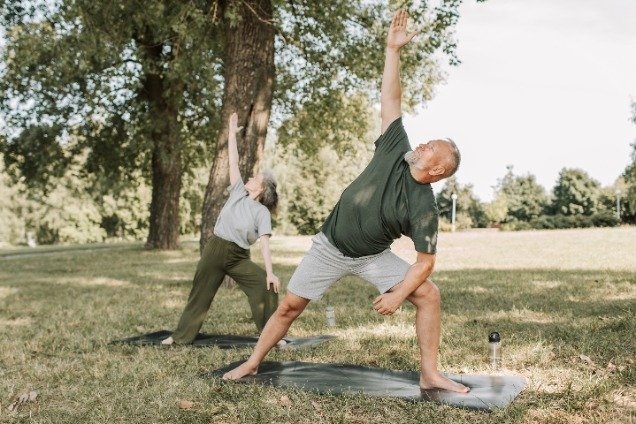
Staying physically active offers numerous advantages for individuals with Alzheimer’s disease and other types of dementia. However, as the disease gets worse, some patients may not be able to get around well. Even if they have trouble walking, they still may be able to do simple exercises that could keep their muscles, joints, and heart in good shape. Here are some of the benefits simple exercise may bring for seniors with dementia.
Better Sleep
As the severity of the disease progresses, many older adults with dementia experience sleep disturbances. Common sleep problems include frequent awakening during the night, increased daytime sleepiness, insomnia, and sleep apnea.In the late afternoon or early evening, seniors with dementia might also experience sundowning. This state might make them feel intensely distressed, confused, agitated, or even aggressive and may continue during the night, making it hard for them to get a good night’s rest.According to studies about the effects of exercise on sleep in neurodegenerative disease, “exercise can promote entrainment of the circadian rhythm for improved sleep/wake regulation”. Therefore, many memory care facilities implement moderate physical exercises for dementia patients as one of the ways of overcoming sleep problems.
Improved Mood
It’s not uncommon for seniors living with Alzheimer’s and dementia to experience stress, depression, and anxiety. These negative emotions are associated with further complications such as memory loss and cognitive impairment.Physical exercise is highly recommended for dementia residents (for as long as possible) because it helps alleviate stress by reducing levels of the hormone cortisol and promotes the production of ‘feel-good’ hormones and neurotransmitters related to improving mood, memory and cognitive function.Occupational therapy interventions and activities for seniors with dementia (such as listening to music, looking through old photo albums, basic stretches or body joints movement) can also improve their mood, health, and overall quality of life.
Reduced Risk of Falls
One of the biggest concerns about Alzheimer's and dementia patients is the high risk of falls and fall-related injuries (such as hip fractures) due to their cognitive and physical impairment. This can harm their functional ability, worsen dementia symptoms, and may even hasten death, depending on the severity of the fall.Physical exercises for dementia patients (focused on balance and strength training) can help reduce the risk of falls and the occurrence of falls. They can improve body posture, balance, and coordination by averting muscle mass reduction and increasing strength and bone density.For example, the sit-to-stand exercise seems to be crucial in reducing the risk of falls because it helps strengthen the legs and improve body mechanics and balance. Other physical exercises for dementia patients include: one leg stand, arm, heel or toe raises, side to side turns, seated marching, and heel toe walking.
Reduced Likelihood of Constipation
Several things can cause constipation in elderly adults with Alzheimer’s and dementia, including the weakening of the muscles used for bowel movements (which is part of getting older) as well as the medical treatment of the disease itself.Regular physical activity (such as walking, swimming, or playing familiar games) can help them relieve constipation and promote regular bowel movements. Even though most dementia patients have reduced mobility, don’t let that discourage you; there are still activities for seniors with dementia that are well suited to their needs such as aquatic therapy, yoga, or Tai Chi.
Improved Memory
Incorporating movement and activity into the normal daily routine of dementia seniors can help improve their cognitive capacity and sharpen their memory. Physical activity increases the blood flow to the whole body, including the brain hippocampus (the part of the brain that’s responsible for long-term memory formation and memory retrieval).In addition to physical exercise, performing regular brain exercises for dementia can also help boost the brain’s cognitive reserve and thinking skills, thus delaying memory loss and other mental problems.
Improved Behavior
Due to physical changes in the brain, dementia can cause unwanted behavior changes in loved ones which can lead to:
- Wandering,
- Hoarding,
- Sundowning,
- Restlessness,
- Sleeping problems, and
- Repetitive behavior.
Sometimes, this behavior may be caused by other factors, including the individual’s environment, health, or medication, placing considerable distress and pressure on the person living with dementia as well as their family and carers. Getting enough physical exercise each day (e.g., routine walks) is one of the ways for families and careers to cope with this challenging behavior. Studies show that pleasurable activities help the brain release endorphins (chemicals that make people feel good for a long period), thus significantly improving an individual’s behavior and reducing common dementia symptoms.
Better Communication and Social Skills
Alzheimer’s disease and dementia can make even the most extroverted people withdraw from social settings. As a person is nearing the later stages of dementia, they might not want to leave the house or may dread interacting with friends, making them feel even more isolated and lonely.Many memory care facilities have specially curated activities for seniors with dementia that offer an opportunity for social interaction, which can help slow down dementia symptoms. For example, for those individuals who are capable, dancing is a great activity for establishing social contact and interacting with other people while being physically active. Gardening is another enjoyable activity that allows the individual to have a fun time.The social aspect of physical activity should not be neglected. Being around others can be beneficial for many things, such as managing cognitive decline and reducing stress, depression, and loneliness, which are quite common among the elderly with dementia.At Arbor Trace Assisted Living, our staff members understand the importance of exercise for seniors with dementia, which is why we always implement new and improved strategies that encourage physical activity.Our individualized programs allow your loved ones to participate in many kinds of social interactions and physical exercises for dementia patients, which in turn helps in slowing the progression of dementia and Alzheimer's disease, and providing an overall better quality of life.Contact us to schedule a tour for Arbor Trace retirement community and learn more about the importance of exercise for seniors with dementia.