
Dementia Care Homes: Key Factors to Consider for Quality Support
When someone you love is living with dementia, few decisions are as significant—or as emotionally charged — as choosing the right dementia care home. Families are often navigating uncertainty, grief, and fear of the unknown, all while trying to ensure their loved one receives the best possible support.But support means more than safety. It means dignity. It means comfort. And it means placing someone you care for into an environment where they are not only looked after, but truly understood. The quality of a dementia care home depends on many subtle, yet essential, factors—the kind that affect day-to-day experiences, mood, and a person’s overall sense of peace and purpose.Here are the key factors to consider when searching for a community that offers compassionate, high-quality dementia care.
A Calming and Cognitively Supportive Environment
One of the most important elements of any dementia care home is its physical environment. A person with dementia experiences the world differently, often struggling with disorientation, confusion, or overstimulation. That’s why the design of the community itself plays a vital role in quality of care.A calm, structured setting that is easy to navigate can reduce anxiety, enhance confidence, and support independence. Look for spaces that feel familiar, not institutional—with cozy lounges, welcoming dining areas, and clearly defined pathways that allow residents to move about safely and freely. Outdoor spaces should be secure and inviting, offering access to fresh air and gentle activity. At Arbor Trace, our outdoor gardens, indoor common areas, and enclosed walking paths are thoughtfully designed to help people living with dementia feel grounded, safe, and at ease in their surroundings.
Staff Who Are Trained to Provide Dementia Care with Compassion and Insight
Not all caregiving is the same. Dementia care requires specific knowledge, deep empathy, and an ability to connect beyond words. Quality support begins with a team that understands the many forms of dementia, including Alzheimer’s disease, and can recognize when behavior is actually a form of communication.Training in dementia-specific care practices ensures that caregivers can respond calmly and effectively to moments of confusion, agitation, or distress. But even more importantly, staff must know each resident as an individual—not just a diagnosis. At Arbor Trace, we prioritize relationships. Our staff is present 24 hours a day, always awake, attentive, and ready to respond with kindness. The familiarity that comes from consistent care helps residents feel secure, while families find peace of mind knowing their loved one is truly seen and valued.
Personalized Support for Daily Living That Respects Dignity
As dementia progresses, tasks that were once simple—getting dressed, managing hygiene, remembering medications—can become challenging or impossible to complete without help. High-quality dementia care is rooted in a deep respect for the person, providing just the right amount of support without undermining a resident’s independence.Rather than adopting a one-size-fits-all routine, the best dementia care homes create individualized care plans that adjust over time. These plans consider not just medical needs, but personal routines, comfort preferences, and the rhythm of each resident’s day. At Arbor Trace, our care team works closely with family members to build a daily structure that offers comfort and consistency, while still allowing room for autonomy and choice.
Activities That Nourish the Mind, Body, and Spirit
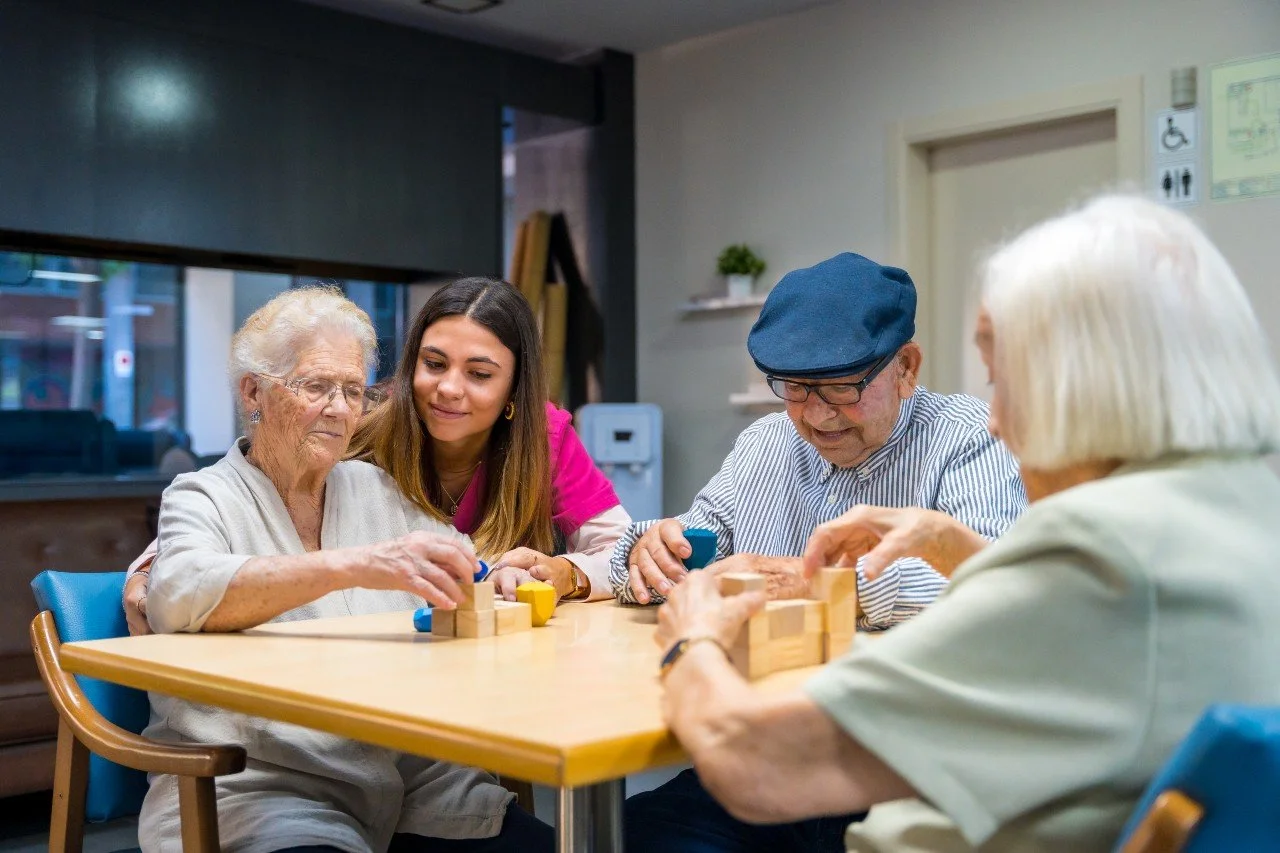
Engagement isn’t a luxury in dementia care—it’s essential. Even in the later stages of memory loss, people benefit deeply from meaningful connection, sensory stimulation, and purposeful activity. A quality dementia care home offers a full spectrum of thoughtfully designed programs that help residents remain involved in daily life.Music, storytelling, gentle movement, gardening, and art can awaken memories and spark joy. Predictable, yet flexible, daily schedules give residents a sense of structure without rigidity. At Arbor Trace, our full-time activities director ensures that each day holds opportunities for creativity, relaxation, and shared moments—all tailored to support the physical and emotional well-being of each person living with dementia.
Dining That Supports Nutrition and Comfort
The experience of eating changes for many people with dementia. Some may forget to eat, while others may no longer recognize food or utensils. Still, mealtimes remain one of the most important rituals of the day—moments of familiarity, pleasure, and social connection.The best dementia care homes offer a calm dining environment, clear routines, and meal options that meet both health and comfort needs. At Arbor Trace, we offer restaurant-style dining with personalized nutrition plans, including vegetarian and low-sodium meals. Meals are served in a warm, welcoming space where assistance is offered as needed, always with discretion and respect. When dining feels safe and enjoyable, residents are more likely to eat well, stay hydrated, and experience the comfort of routine.
Health Care That Anticipates Needs and Reduces Stress
Dementia often brings with it complex health care needs. As the disease progresses, many residents will require medical oversight that goes beyond basic assistance. A high-quality dementia care home provides 24-hour access to trained professionals who can respond to health concerns quickly—reducing unnecessary visits to the emergency room and ensuring that care is delivered in a familiar, low-stress environment.At Arbor Trace, our licensed practitioners are on site around the clock. This means residents are monitored closely for any signs of change, and treatment can be provided promptly when needed. Following best practices and guidelines, we work to manage symptoms, maintain stability, and support wellness in a way that feels personal and nurturing.
Partnerships with Family Members That Strengthen Care
One of the most overlooked—yet vital—aspects of dementia support is how a care community involves the resident’s family. No one understands the unique history, habits, or emotional needs of a loved one better than their closest caregivers. That knowledge is invaluable.Rather than taking over care, the best dementia care homes create a partnership with the family. At Arbor Trace, we maintain open communication, invite regular involvement, and honor the wisdom and insights family members bring. We also offer emotional support services and compassionate guidance for primary caregivers who may be feeling exhausted or overwhelmed. You don’t stop being part of your loved one’s life—you simply gain a team to walk beside you. Family caregivers can also gain invaluable insights from the Alzheimer Society, which offers a wide range of educational resources and support networks throughout Canada. These tools help families better understand the progression of dementia, learn effective communication techniques, and navigate the emotional complexities of caring for a loved one with dementia.
Transparent Cost and a Long-Term Vision
Many families struggle with the practical question of costs, especially when comparing private residential care with government-funded long term care homes. While affordability matters, it’s also important to think about long-term fit, overall quality, and the kind of life your loved one will experience in their new home.A trustworthy dementia care home will be clear and upfront about what’s included, and will help you understand how care evolves over time. At Arbor Trace, we’re committed to transparency. We’ll talk you through what to expect—not just financially, but emotionally—and help you make a choice that supports both the person you love and your entire family.
A Philosophy That Puts the Person First
In the end, the most meaningful factor to consider is the philosophy behind the care. Does the community treat people with dementia as individuals with stories, preferences, and feelings? Or simply as patients to be managed?At Arbor Trace, we believe that even when memory fades, identity remains. We focus not just on helping our residents live—but on helping them feel alive. Each interaction is an opportunity to build trust, create comfort, and share in a moment that matters. That’s what defines true quality in dementia care.
Choosing a Dementia Care Home with Confidence
Choosing a dementia care home is about more than finding a place to live. It’s about finding a place where your loved one can be cared for with empathy, respect, and the attention they deserve. It’s about knowing they’ll be surrounded by people who understand what they’re going through and who know how to support them as they are—not who they used to be.At Arbor Trace Memory Care and Assisted Living in London, Ontario, we offer a warm, welcoming community designed specifically for people living with memory impairments. Every aspect of our care—from our thoughtfully designed spaces to our personalized support services—reflects our deep commitment to dignity, comfort, and better care.If you’re ready to explore what quality dementia care looks like in practice, we’d love to speak with you.Contact Arbor Trace today to learn more or schedule a tour. We’re here to help you make the decision that feels right for your loved one—and for your family.
Frequently Asked Questions
How does a dementia care home differ from other senior living options?
A dementia care home is specifically tailored to support individuals with memory loss, offering structured routines, secure environments, and trained staff who understand the needs of people with dementia at every stage of their journey.
When is the right time to move a loved one into residential care?
If your loved one is experiencing safety issues, frequent confusion, or if home care has become overwhelming for the primary caregiver, it may be time to consider a residential care setting that can offer consistent, professional support services.
Can people with advanced dementia still enjoy meaningful activities?
Yes. Even as disease progresses, we offer gentle, guided programs that stimulate the senses and promote emotional well-being—from music and nature to art and movement. Every person deserves to experience joy, regardless of their diagnosis.