
How Creative Arts Programs in Memory Care Can Enhance Cognitive and Emotional Well-being
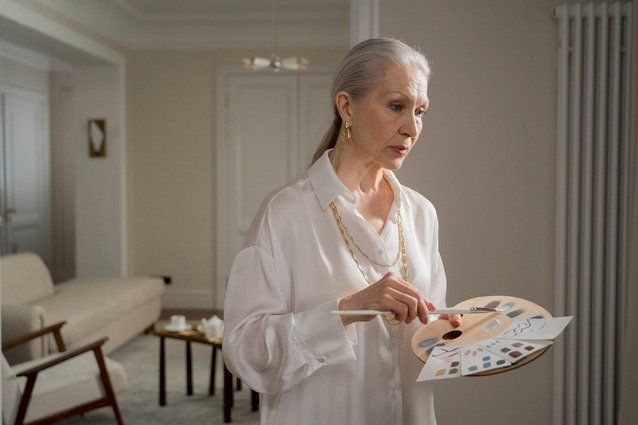
Moving into a memory care community can be a big change for individuals and their families. Adjusting to a new environment is often challenging, but creative arts programs offer an opportunity to ease into this transition while also supporting cognitive and emotional well-being. These programs offer a combination of therapeutic activities to stimulate the mind, express emotion and give a sense of purpose and joy.
Including Creative Arts As Part of Dementia Related & Memory Care Activities
Creative arts programs in memory care communities are thoughtfully crafted to nurture and support residents with dementia-related conditions. These programs include music therapy, visual arts, dance, and drama, each designed to engage various parts of the brain, enhance cognitive function, and uplift emotional well-being.
Music Therapy as part of Memory Care
Music has a deep impact on memory and emotion. Familiar songs can trigger memories, reduce anxiety and improve mood. Music therapy sessions often involve singing, playing instruments or listening to favorite songs which can help residents feel more connected to their past and more present in the moment.
Visual Arts as part of Memory Care
Painting, drawing and other visual arts activities encourage self expression and creativity. These activities can improve fine motor skills, give a sense of achievement and provide a way for residents to express themselves without words.
Dance and Movement as part of Memory Care
Physical movement through dance can improve motor skills, coordination and balance. It’s also a fun way for residents to interact with others, reduce feelings of loneliness and increase social interaction.
Drama and Storytelling as part of Memory Care
Participating in drama activities or storytelling can stimulate memory and imagination. These sessions allow residents to try out different roles and narratives and find their sense of self and purpose.
Cognitive Benefits of including Creative Arts to Memory Care Programs
Creative arts provide significant cognitive benefits for memory care residents. These activities gently engage essential cognitive functions like memory recall, problem-solving, and attention span. By regularly participating in creative arts programs, we can help slow down cognitive decline and enhance overall brain function, offering a compassionate and supportive approach to care.
- Memory Recall: Music therapy can trigger memories and help residents recall past experiences. This not only improves memory function but also a sense of self.
- Problem-Solving and Critical Thinking: Art projects and drama activities require planning, decision making and problem solving skills. These cognitive exercises help maintain and even improve these skills in residents.
- Attention and Focus: Creative activities require concentration and attention to detail. This focus can improve overall attention span and reduce restlessness or agitation.
Emotional Well-being through Creative Arts
The emotional benefits of including creative arts programs as part of memory care related activities are equally as important. These activities provide an outlet for emotions, reduce stress and anxiety and improve mood. Art allows residents to express emotions they may not be able to verbalize. Whether through painting, music, or drama, these activities provide a safe space to express joy, sadness, anger or other emotions.Creative activities are also calming and can reduce stress and anxiety. The act of creating art can be meditative and give a sense of calm and peace. Plus, participating in creative arts can bring joy and satisfaction. Completing an art project or performing in a play can give residents a sense of achievement and self worth.
Strengthening Social and Community Bonds
As well as cognitive and emotional benefits, creative arts programs create a sense of community and belonging for residents. These are group based so social interaction and friendships.Group activities give residents the opportunity to interact with each other, share experiences and build relationships. Social interaction is key to emotional wellbeing and reduces feelings of loneliness and isolation. Plus being part of creative arts programs makes residents feel part of a community. That sense of belonging improves their overall life and gives them emotional support.Here, at Arbor Trace Memory Care Center London, Ontario, we understand the importance of creative arts programs for our dementia care residents. We invite any potential residents to take a tour of our facility and experience how our community provides a nurturing, stimulating and caring atmosphere that meets the needs of everyone in the community. Get in touch to schedule a tour of our Arbor Trace memory care facility.