
6 Common Skin Conditions in Seniors With Dementia
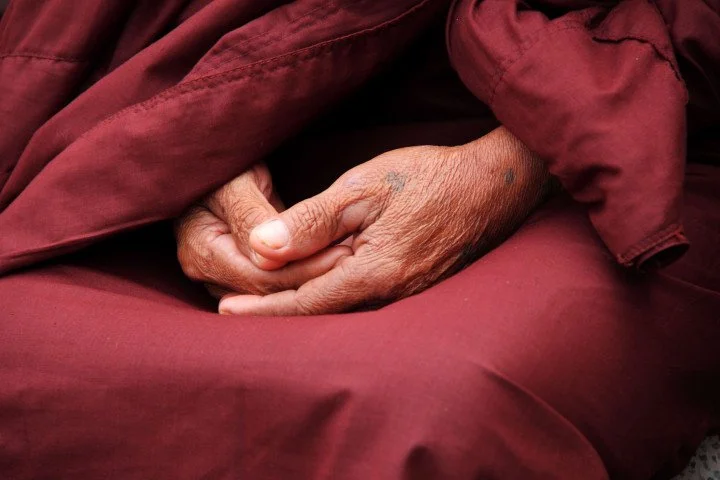
From bruises and dry spots to more serious concerns like infections, seniors, especially those with Alzheimer's or other types of dementia are vulnerable to a variety of skin issues. They may have difficulty expressing discomfort, so caregivers need to be vigilant in observing signs of the most common skin conditions and understanding the contributing factors in order to provide effective care and support for their loved ones.
1. Dry Itchy Skin
As people age, the skin's oil glands produce less sebum, the natural oil that helps retain moisture and keeps the skin supple, resulting in dryness and itching. Environmental factors like low humidity, harsh winds, and cold temperatures can exacerbate dry skin, especially during the winter months when indoor heating systems further deplete moisture from the air.Certain medications, for example, anticholinergic medications, often used to manage behavioral symptoms of dementia individuals, can cause dry mouth and skin by inhibiting sweat gland function.Additionally, seniors with dementia often forget to drink water regularly or may be unable to communicate their thirst to caregivers. As a result, they are at a higher risk of dehydration, which can manifest as dry and itchy skin.
2. Bruising
As your loved one ages, their skin becomes thinner and loses elasticity due to decreased collagen and elastin production, making blood vessels more susceptible to damage and bruises from minor trauma.Additionally, aging leads to a reduction in the amount of fat beneath the skin, also known as subcutaneous fat, which helps protect blood vessels from injury. With less padding, your loved one’s skin is less able to absorb impact, making them more prone to bruising from minor bumps or pressure. Inadequate intake of essential nutrients, such as vitamin C and K, can also increase the likelihood of bruises and slow down their healing.Seniors with Alzheimer's disease or dementia may be at a higher risk of bruising due to factors, such as impaired coordination, diminished awareness of their surroundings, or difficulty expressing discomfort. They may experience more frequent falls or bumps without recognizing the need to take precautions to prevent injury.
3. Irritation and Infections
Aging skin can become more prone to irritation and skin infections, such as shingles or ringworm infections. Shingles is caused by the reactivation of the varicella-zoster virus (the same virus that causes chickenpox), which may be due to weakened immune systems, age-related decline, or underlying health conditions.After a person has had chickenpox, the virus remains dormant in the nerve tissues. It can reactivate later in life, typically presenting as a painful, blistering rash that usually appears on one side of the body, often in a band-like pattern.Ringworm infections (or dermatophytosis) are caused by various fungi known as dermatophytes, which thrive in warm, moist environments and infect the skin, scalp, and nails, leading to the characteristic ring-shaped rash. It typically presents as red, scaly patches on the skin that may be itchy or inflamed and can inadvertently be exacerbated by scratching or touching the affected areas.
4. Bedsores
Seniors with Alzheimer's disease or dementia often experience a decline in mobility as the condition progresses. They may become increasingly immobile due to muscle weakness, joint stiffness, or cognitive impairment, leading to prolonged periods of lying or sitting in one position.The inability to change positions regularly puts pressure on specific areas of the body, such as the heels, hips, tailbone, and elbows, leading to bedsores. Malnutrition or inadequate intake of essential nutrients can impair skin integrity and delay wound healing, increasing the risk of developing and worsening bedsores.
5. Skin Tear
The aging process causes a loss of skin elasticity, making it less flexible and resilient. As a result, your loved one's skin becomes more vulnerable to tears and injuries from minor trauma or friction, especially when the skin is stretched or pulled, even with minimal force.Seniors with Alzheimer's and dementia often experience sensory deficits or changes in proprioception (awareness of body position), making it difficult to recognize and avoid hazards that could cause skin tears.Impaired coordination and balance further increase the risk of falls or collisions, resulting in traumatic skin injuries. In addition, behavioral symptoms such as agitation, restlessness, or wandering may lead to inadvertent scratching, bumping into objects, or self-injury, resulting in skin tears.
6. Senile Freckles
Senile freckles, also known as age spots or liver spots, are a common, yet harmless skin condition in seniors with dementia. These pigmented lesions typically appear as flat, tan, brown, or black spots on areas of the skin that have been exposed to sunlight without adequate sun protection over the years, such as the face, hands, arms, and shoulders.Long-term sun exposure damages the skin's melanocytes, the cells responsible for producing melanin, resulting in hyperpigmentation. While sunlight is a primary source of vitamin D production, it’s important to take adequate protection measures to reduce the risk of sun-induced skin damage.Due to cognitive impairment or physical limitations, your senior loved one may struggle to apply sunscreen or wear protective clothing when outdoors, so make sure to provide assistance.
Proactive Care at Arbor Trace
At Arbor Trace memory care center in Ontario, Canada, our team is committed to providing holistic care, ensuring residents' well-being from head to toe.Skin issues, such as bruises from minor bumps or falls, dryness leading to itching and irritation, or even more severe conditions like pressure ulcers, can cause significant distress for your loved one, contributing to great discomfort and diminished well-being.Our healthcare professionals are well-versed in treating the most prevalent skin issues, but also in implementing proactive measures to prevent further skin damage, helping your loved one ensure proper hydration and establish a gentle skincare routine.Schedule a tour of the Arbor Trace dementia care facility in London, Ontario, the leading facility for dementia care.