
When Should Someone with Dementia Go Into a Care Home?
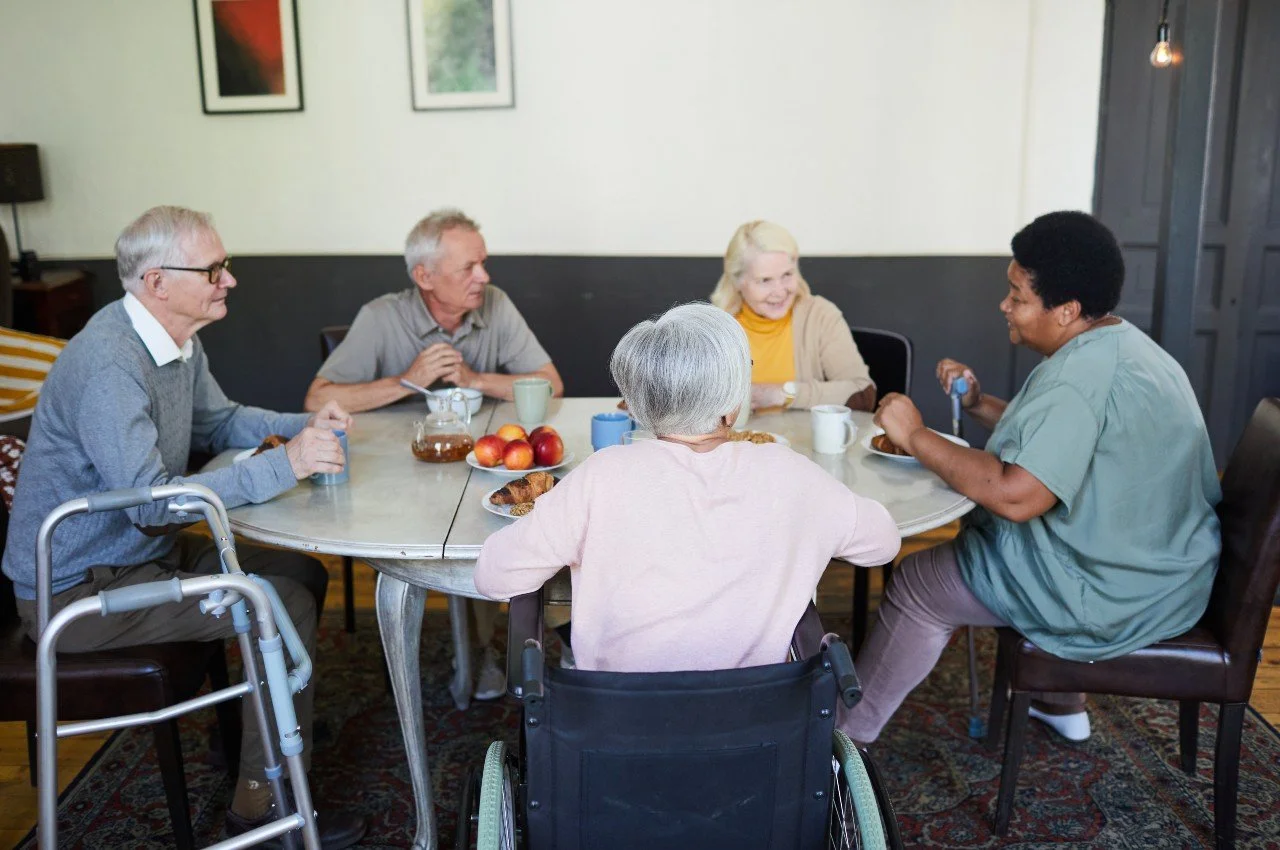
Families often wonder when someone with dementia should go into a care home. Making this decision can feel emotional and deeply personal. At Arbor Trace Memory Care and Assisted Living Facility in London, Ontario, we understand how personal this decision is. Every person with dementia experiences changes differently, yet there are important signs and situations that may help guide families toward the right time to consider a supportive community.
How Family Members Recognize the Right Time
Following a dementia diagnosis, family members may feel uncertain about what lies ahead and when a transition to a care home might become necessary. Subtle dementia symptoms—such as forgetfulness, confusion, or behavioral changes, may begin to affect daily living and everyday tasks. During the early stages, many choose in-home care or support within the person's home. Over time, however, these arrangements may no longer meet growing care needs.When relatives notice the common signs of caregiver burnout, such as struggling to manage daily responsibilities or feeling overwhelmed, it may be time to explore residential care.
The Role of Dementia Care in Supporting Daily Living
Professional dementia care can provide stability and reassurance. In a memory care community, trained staff can help with personal care, such as personal hygiene, meals, and assistance with daily tasks.These services allow your loved one to maintain dignity while reducing strain on family and other caregivers. A supportive community also provides opportunities for social activities, which can ease social isolation and improve overall well being.
When Dementia Patients Require Round the Clock Care
As dementia progresses, needs become more complex. Dementia patients may begin to lose track of time, experience memory loss, and forget familiar routines. At this stage, safety concerns increase and constant care is often necessary. Some may require more intensive care for issues such as physical health decline or weight loss. In these moments, a memory care facility offers round the clock care provided by staff trained to handle significant challenges with sensitivity.
Understanding Care Options for Someone with Dementia
There are many care options available, and each one offers varying levels of support. When more support becomes necessary, families may consider nursing homes, memory care units, or a dedicated care home. A supportive dementia stay in a community like Arbor Trace ensures that care staff provide attention to physical, emotional and social needs.
The Importance of Familiar Items and Social Support
Moving into a memory care facility does not mean giving up comfort. Many communities encourage familiar items to be brought along, helping the person feel safe and supported. Shared spaces allow residents to connect with other residents through social activities. This sense of community nurtures belonging while providing professional attention to evolving health needs.
Care Needs Assessment and Planning Ahead
Families often begin with a care needs assessment to understand what level of support their loved one requires. Involving a loved one’s doctor can help ensure decisions are made in the best interests of the individual. Considering a dementia stay earlier in the process allows for a smoother transition, rather than waiting until a crisis requires urgent placement.
Key Takeaways for Caregivers and Families
Every journey with dementia is unique. A person may live independently at first, but increasing care needs can arise over time. Recognizing caregiver strain, home risk factors, and the value of residential care can guide families toward thoughtful choices. Moving into a memory care home can provide consistent support, greater safety, and more quality time with a loved one by easing the constant demands of caregiving.Deciding when someone with dementia should go into a care home is never easy, but it can bring peace of mind. At Arbor Trace Memory Care and Assisted Living Facility in London, Ontario, we offer person-centred support that meets both practical and emotional needs. We invite you to talk with us and schedule a tour.